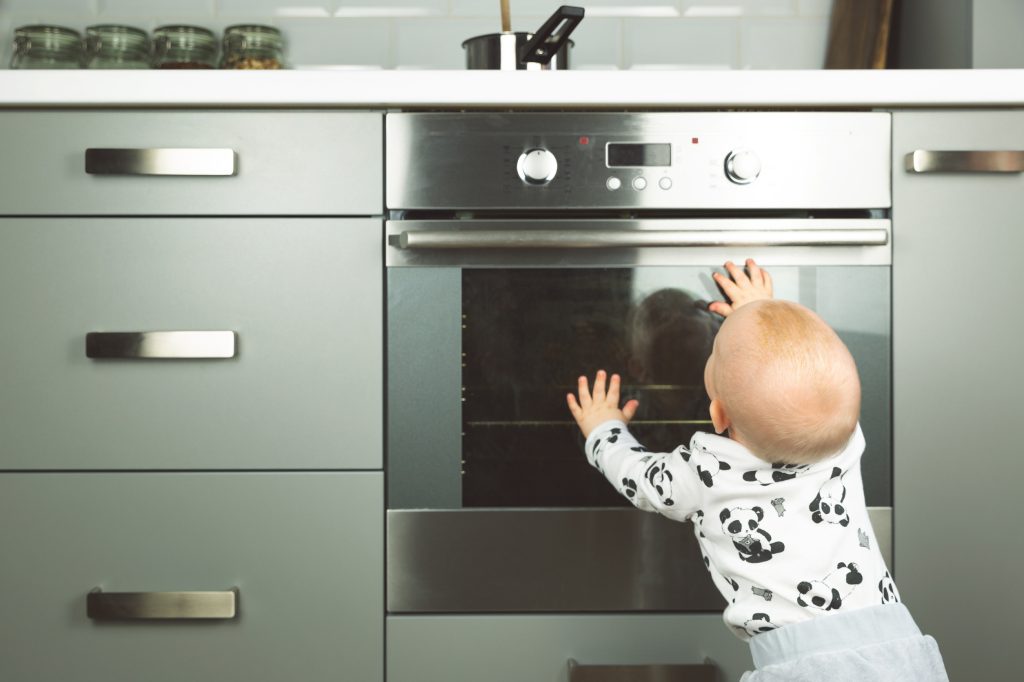
Essential Babyproofing Checklist: How to Make Every Room Safe

Bringing a baby home is an exciting milestone, but it also comes with new responsibilities. Babies are naturally curious, and as soon as they start crawling, every corner of the house becomes an adventure zone. That’s why babyproofing is essential. With a solid plan, you can reduce risks and create a safe environment for your little one to explore. This checklist covers every room in your home to ensure peace of mind.
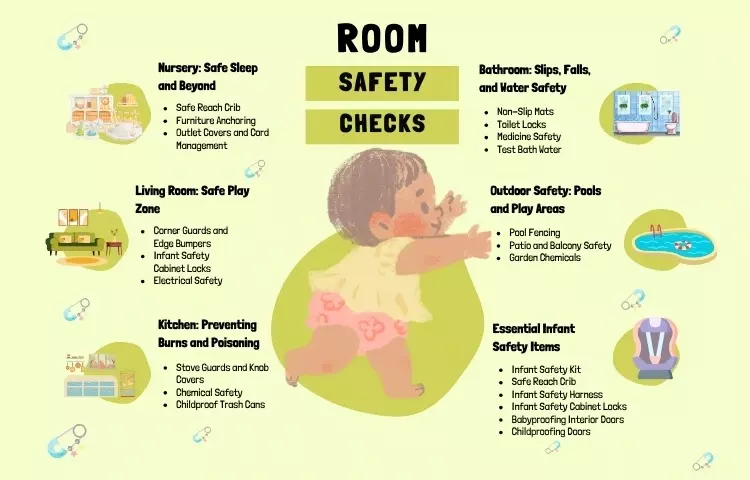

Babyproofing the Nursery

The nursery is your baby’s safe haven, so make it hazard-free from the start.

  • Crib Safety: Use a firm mattress with a fitted sheet; avoid pillows, blankets, or stuffed animals.
  • Furniture Anchors: Secure dressers, shelves, and changing tables to the wall.
  • Cords and Blinds: Tie up or replace long cords that can pose strangulation risks.
  • Outlet Covers: Place safety plugs in unused sockets.

💡 Tip: Keep a baby monitor out of reach but angled for a clear view.


Babyproofing the Living Room

The living room is where family time happens, but it’s full of potential hazards.

  • Corner Guards: Add padding to sharp edges of coffee tables and TV units.
  • TV and Electronics: Mount TVs to the wall and hide cables.
  • Fireplace: Use a sturdy gate around fireplaces and heaters.
  • Floor Safety: Secure rugs with non-slip pads to prevent falls.

💡 Tip: Store small objects like coins or batteries in closed containers.


Babyproofing the Kitchen

The kitchen can be one of the most dangerous areas if not secured.

  • Cabinet Locks: Install childproof latches on cabinets storing cleaning supplies.
  • Stove Safety: Use back burners and knob covers to keep little hands away.
  • Appliances: Unplug and store appliances like blenders and toasters when not in use.
  • Floor Hazards: Wipe spills immediately to avoid slips.

💡 Tip: Create a “baby-safe cabinet” with plastic containers so your child has something safe to explore.


Babyproofing the Bathroom

Bathrooms have slippery surfaces and chemicals that need extra caution.

  • Toilet Locks: Prevent accidents with childproof toilet latches.
  • Bath Safety: Always check water temperature; use a thermometer for accuracy.
  • Medicine Storage: Keep all medications locked away, high out of reach.
  • Non-Slip Mats: Place mats inside and outside the bathtub.

💡 Tip: Never leave your baby unattended in the bathroom, even for a moment.


Babyproofing the Bedroom (Other Rooms)

  • Window Guards: Install safety latches or window stops.
  • Furniture Anchors: Secure bookshelves and wardrobes.
  • Small Objects: Remove jewellery, coins, or buttons from low tables and drawers.
  • Lighting: Use cordless night lights instead of lamps with dangling cords.

General Babyproofing Tips for the Whole House

  • Baby Gates: Place at the top and bottom of stairs.
  • Smoke & Carbon Monoxide Detectors: Install and check batteries regularly.
  • Choking Hazards: Keep all small items, from coins to batteries, away.
  • Floor Check: Get down on all fours to see the world from your baby’s perspective.

Creating a Safer Home, One Step at a Time

Babyproofing doesn’t have to be overwhelming. With this checklist, you can tackle each room step by step, ensuring your home is a safe space for your baby to explore and grow. Remember: babyproofing isn’t a one-time task—it evolves as your child becomes more mobile and curious. Stay alert, update your safety measures, and enjoy peace of mind knowing your little one is safe.

Newborn Care Basics: Safe Routines Every Parent Should Know

Building Confidence in Your Newborn Routine

Bringing home a newborn is both exciting and overwhelming. Between feeding schedules, diaper changes, and sleep routines, it’s easy to overlook small safety details that make a big difference. Establishing safe daily habits early not only protects your baby but also helps you feel more confident as a parent. Here’s how to build safe, stress-free routines from day one.


Safe Diapering Practices

Diaper changes are frequent in the first few months, but safety still matters.

  • Always keep one hand on your baby when using a changing table.
  • Use wipes designed for sensitive skin to prevent irritation.
  • Store creams and wipes within reach but out of your baby’s grasp.
  • Secure diapers snugly but not too tight — it should fit comfortably around the waist and legs.

💡 Tip: Place a soft mat under the changing area to cushion accidental falls.


Bathing Your Newborn Safely

Newborn bath time should be calm and secure.

  • Use a baby bathtub or support seat that prevents slipping.
  • Check water temperature — it should be around 37°C.
  • Never leave your baby unattended, even for a few seconds.
  • Dry your baby immediately and wrap them in a warm towel to prevent chills.

Feeding and Burping Safely

Whether you’re breastfeeding or bottle-feeding, proper positioning matters.

  • Always support your baby’s head and neck.
  • Keep the feeding area calm and free from distractions.
  • Burp your baby after each feed to prevent gas and discomfort.
  • Never prop a bottle — it increases the risk of choking.

Sleep and Rest Safety

Newborns sleep most of the day, so creating a safe sleep environment is vital.

  • Place your baby on their back on a firm mattress.
  • Avoid soft bedding, pillows, and plush toys in the crib.
  • Keep the crib free of loose blankets — use a sleep sack instead.
  • Maintain a cool, well-ventilated room.

Handling and Carrying With Care

Everyday handling should always prioritise safety and comfort.

  • Support your newborn’s head and neck at all times.
  • Avoid shaking your baby, even in play.
  • When using carriers, make sure your baby’s face is visible and airways are clear.
  • Keep pets away during holding or feeding sessions.

Nurturing Safety and Confidence From the Start

Safe routines aren’t about fear — they’re about mindfulness. By building safe habits into daily life, you’ll protect your baby and give yourself peace of mind. Every diaper change, bath, and bedtime becomes an opportunity to strengthen your bond while keeping your newborn secure and comfortable.

Hidden Dangers in the Living Room and How to Babyproof Them

Why the Living Room Needs Extra Attention

The living room is where families relax, play, and spend most of their time together — but it’s also full of unnoticed risks. Sharp corners, unstable furniture, and loose cables can all pose threats once your baby starts crawling or walking. Babyproofing this space ensures peace of mind while your little one explores freely and safely.


Securing Furniture and Electronics

Toppling furniture is a common household hazard for babies.

  • Anchor heavy items such as TVs, bookshelves, and cabinets to the wall.
  • Keep remote controls, game consoles, and small gadgets out of reach.
  • Use cord management clips to tidy up TV cables and prevent tangling.

💡 Tip: Mount your television on the wall to remove the risk of tipping.


Covering Sharp Corners and Edges

Tables, shelves, and even window ledges can have sharp edges that are dangerous for little foreheads.

  • Apply soft corner guards on coffee tables and low furniture.
  • Choose round-edged furniture when possible.
  • Check play areas for any exposed metal or glass edges.

Managing Electrical Hazards

Babies are naturally drawn to plugs and sockets.

  • Cover outlets with safety plugs or sliding outlet plates.
  • Hide extension cords behind furniture or use cord covers.
  • Keep lamps and chargers off the floor to avoid tripping or pulling accidents.

Controlling Small Objects and Decor

Many everyday items can become choking hazards without parents realising it.

  • Remove or place higher any small decorative pieces like marbles, candles, or picture frames.
  • Store batteries, coins, and jewellery out of sight.
  • Avoid plants that are toxic if ingested.

Floor Safety and Play Zones

The living room is often where babies spend the most time playing.

  • Use a non-slip, non-toxic play mat for soft landings.
  • Ensure rugs have anti-slip backing.
  • Create a dedicated play area using foam tiles or baby gates for added protection.

Creating a Safe and Welcoming Space for Your Baby

Babyproofing the living room doesn’t mean losing its warmth or style — it’s about balance. With a few thoughtful adjustments, you can maintain a cosy, functional space while keeping your little one safe. Prioritise stability, soft surfaces, and clear pathways so your baby can explore confidently as they grow.

Kitchen Hazards Parents Often Forget to Babyproof

Why the Kitchen Can Be Risky for Babies

The kitchen is often the heart of the home, but it’s also filled with hidden dangers for curious little explorers. From sharp utensils to cleaning products, it only takes a moment of distraction for an accident to happen. Many parents focus on obvious hazards but overlook smaller details that can be just as dangerous. Here’s a guide to babyproofing the kitchen beyond the basics.


Cleaning Supplies and Chemicals

One of the most common risks comes from under-sink cabinets storing detergents, bleach, or dish soap.

  • Use childproof cabinet locks or move these items to high shelves.
  • Opt for non-toxic or eco-friendly cleaners where possible.
  • Never transfer cleaning supplies into food containers, as this increases confusion and risk.

Sharp and Breakable Objects

Knives, scissors, and glassware are major hazards.

  • Store knives and sharp tools in locked drawers or high-mounted racks.
  • Keep glass cups and dishes out of reach — babies love to pull things down.
  • Use unbreakable plates and cups for daily use.

Appliances and Hot Surfaces

Kitchens are full of appliances that can cause burns or injuries.

  • Ovens and stoves: Install stove knob covers and always use back burners.
  • Microwaves and kettles: Place them at the back of counters to avoid tipping.
  • Dishwashers: Lock the door when not in use and keep detergent pods out of reach.

💡 Tip: Teach older children not to leave hot drinks on the edge of counters or tables.


Small Objects and Choking Hazards

Kitchens are full of tiny items that can easily cause choking.

  • Buttons, bottle caps, nuts, or even fridge magnets should be kept high up.
  • Always sweep or vacuum after meals to clear dropped food.
  • Check pantry shelves for items within crawling reach.

Floors and Spills

Slippery floors can be dangerous not only for babies but also for parents carrying them.

  • Clean up spills immediately.
  • Use non-slip mats near sinks and prep areas.
  • Make sure highchairs have stable bases and are placed away from hazards.

Creating a Baby-Safe Kitchen Without Stress

Babyproofing your kitchen doesn’t mean restricting your baby’s freedom — it means creating a safe environment where they can explore without risk. By paying attention to overlooked hazards like cleaning supplies, small objects, and appliance safety, you’ll reduce accidents and gain peace of mind.

Kitchen Hazards Parents Often Forget to Babyproof

Why the Kitchen Can Be Risky for Babies

The kitchen is often the heart of the home, but it’s also filled with hidden dangers for curious little explorers. From sharp utensils to cleaning products, it only takes a moment of distraction for an accident to happen. Many parents focus on obvious hazards but overlook smaller details that can be just as dangerous. Here’s a guide to babyproofing the kitchen beyond the basics.


Cleaning Supplies and Chemicals

One of the most common risks comes from under-sink cabinets storing detergents, bleach, or dish soap.

  • Use childproof cabinet locks or move these items to high shelves.
  • Opt for non-toxic or eco-friendly cleaners where possible.
  • Never transfer cleaning supplies into food containers, as this increases confusion and risk.

Sharp and Breakable Objects

Knives, scissors, and glassware are major hazards.

  • Store knives and sharp tools in locked drawers or high-mounted racks.
  • Keep glass cups and dishes out of reach — babies love to pull things down.
  • Use unbreakable plates and cups for daily use.

Appliances and Hot Surfaces

Kitchens are full of appliances that can cause burns or injuries.

  • Ovens and stoves: Install stove knob covers and always use back burners.
  • Microwaves and kettles: Place them at the back of counters to avoid tipping.
  • Dishwashers: Lock the door when not in use and keep detergent pods out of reach.

💡 Tip: Teach older children not to leave hot drinks on the edge of counters or tables.


Small Objects and Choking Hazards

Kitchens are full of tiny items that can easily cause choking.

  • Buttons, bottle caps, nuts, or even fridge magnets should be kept high up.
  • Always sweep or vacuum after meals to clear dropped food.
  • Check pantry shelves for items within crawling reach.

Floors and Spills

Slippery floors can be dangerous not only for babies but also for parents carrying them.

  • Clean up spills immediately.
  • Use non-slip mats near sinks and prep areas.
  • Make sure highchairs have stable bases and are placed away from hazards.

Creating a Baby-Safe Kitchen Without Stress

Babyproofing your kitchen doesn’t mean restricting your baby’s freedom — it means creating a safe environment where they can explore without risk. By paying attention to overlooked hazards like cleaning supplies, small objects, and appliance safety, you’ll reduce accidents and gain peace of mind.